Sequencing

Sequencing

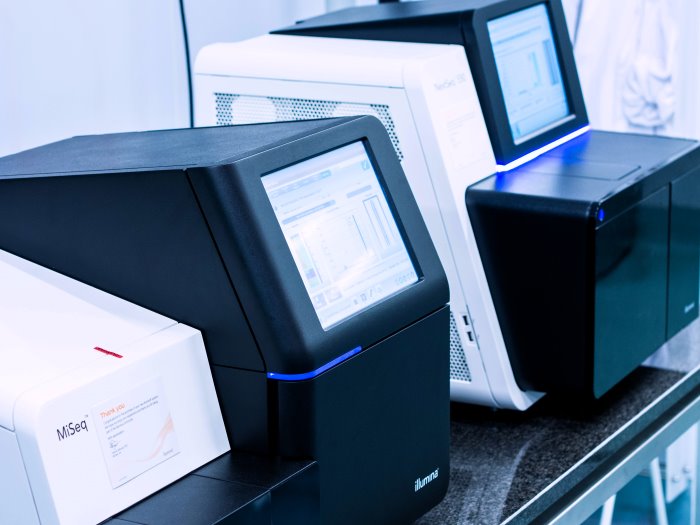
Polo GGB offers sequencing services based on NGS technology.

The research and service center at Polo GGB, equipped with an extensive array of state-of-the-art technologies and supported by a team of experienced professionals, is committed to delivering a comprehensive service. This includes experimental design, nucleic acids extraction, libraries preparation, sequencing, and bioinformatics. The goal is to provide high-quality results and customized solutions to meet specific needs.

NGS sequencing
services

GENOMICS

The development and advance of next generation sequencing has allowed a higher resolution and scalability in genomics studies. High-throughput sequencing of genomes and target regions can help reveal the great complexity of living beings.

EPIGENOMICS

Epigenomics is a branch of genetics that deals with heritable phenotypic changes in a cell, tissue, organism (gene expression) without changing the genotype (DNA sequence).

TRANSCRIPTOMICS

The development and advance of next generation sequencing has allowed a higher resolution and scalability in transcriptomic studies, allowing more in depth investigation on the gene expression of an organism or a specific cell type.

METAGENOMICS

Metagenomics is the combination of all techniques that allow the study of various microorganisms and their interaction with the environment and/or host, helping to generate new datasets to obtain information on the composition and functional properties of a large number of microbial communities.

The laboratory

The Genomics Laboratory Polo GGB is located in Terni, Italy.
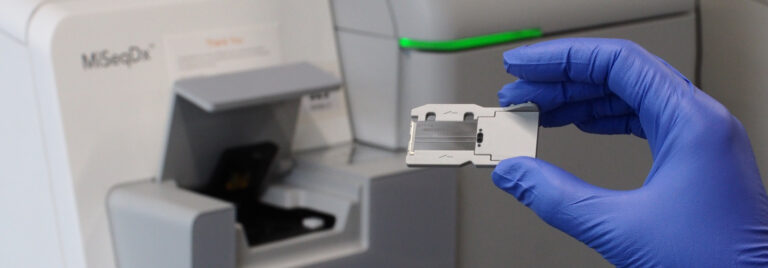
The facility provides next-generation sequencing (NGS) services using Illumina and Oxford Nanopore Technologies platforms, as well as bioinformatics services for applications in genomics, metagenomics, and transcriptomics, in both research and clinical/diagnostic settings.
Over the years, the Genomics Laboratory team has developed the expertise needed to support clients in selecting the services best suited to their specific needs

Address:
Via Mazzieri 3
05100 Terni

Contact:
ngs@pologgb.com

Phone:
+39 0744 220112

Our instruments

Genomics

Genomics enables access to the genetic information encoded within the DNA of cells from a given species.
Next-generation sequencing (NGS) technologies allow for high-throughput, high-resolution DNA sequencing in significantly reduced timeframes.
Polo GGB adheres to stringent quality standards to deliver end-to-end genomic solutions, encompassing the design of sequencing experiments, the generation of targeted enrichment libraries, and the implementation of tailored bioinformatics pipelines. This comprehensive approach ensures researchers have access to state-of-the-art technologies in the genomics domain.

Our Genomics solutions

Whole Genome Sequencing (WGS) is a comprehensive approach for analyzing entire genomes. While this method is commonly associated with sequencing human genomes, the scalable and flexible nature of next-generation sequencing (NGS) technologies makes it equally suitable for sequencing any species, ensuring high coverage and accuracy. In complex organisms such as humans, this approach plays a crucial role in precisely identifying DNA biomarkers, including single nucleotide polymorphisms (SNPs), small insertions and deletions (INDELs), structural variants (SVs), copy number variations (CNVs), and other genomic rearrangements. Furthermore, WGS enables the characterization of polymorphic variants across populations, shedding light on the mechanisms underlying speciation, development, growth, and evolution. It also provides an indispensable tool for genome-wide association studies (GWAS), which assess common genetic variants across multiple individuals of the same species to correlate observed differences with specific traits, such as disease susceptibility. The application of these technologies to model and non-model organisms further enables investigation into the molecular bases of development, evolution, and biodiversity at all biological levels, delivering valuable insights for the protection and conservation of such diversity. Finally, in organisms such as bacteria and viruses, WGS enables a comprehensive assessment of all genetic features. This allows for the generation of complete reference genomes (de novo sequencing), the identification of novel metabolic pathways, individual genetic variations, the emergence of new viruses or resistance traits, and structural variants for comparative genomic studies.
 

Applications

• Identification of functional genes, biomarkers, and therapeutic targets
• Detection of genetic variants and mutations
• Association of genetic variants with specific phenotypes
• Comparative analysis
 

Data analysis

Exome sequencing, also referred to as Whole Exome Sequencing (WES), is a genomic technique aimed at sequencing all the coding regions of genes within a genome, collectively known as the exome. While Whole Genome Sequencing (WGS) entails sequencing the entire DNA content—including exons, introns, and intergenic regions—WES targets only the exonic regions. This approach enables the identification of genetic variants that alter protein-coding sequences at a significantly lower cost compared to WGS. To date, WES is considered the gold standard for the diagnosis of genetic disorders, offering a diagnostic yield that significantly exceeds that of traditional genetic diagnostic tools. Whole exome analysis facilitates the detection of potentially pathogenic variants based on several criteria, including technical quality metrics, population frequency, gene relevance to the phenotype, mode of inheritance, and familial segregation. Such variants may be implicated in both Mendelian disorders and common polygenic diseases, including cardiovascular and respiratory conditions.Applications
 

Applicazioni

• Identification of rare genetic variants
• Disease association studies
• Detection of genetic markers
• Characterization of clinically relevant variants associated with specific diseases
 

Data analysis

Ultra-deep sequencing of PCR products (amplicons) enables efficient identification and characterization of genetic variants while reducing sequencing costs and maintaining high data quality. This approach employs oligonucleotide probes specifically designed to target and capture regions of interest, followed by next-generation sequencing (NGS). Amplicon sequencing is particularly useful for analyzing genetic variation in selected genomic regions and allows for the detection of rare somatic mutations within complex samples. Moreover, through the use of targeted sequencing panels, this method enables the discovery of single nucleotide polymorphisms (SNPs), small insertions/deletions (INDELs), copy number variations (CNVs), and gene rearrangements with high sensitivity and specificity, allowing for the accurate detection of rare variants.
 

Applicazioni

• Discovery of gene or somatic mutations
• Identification and quantification of rare variants
• Detection of rearrangements in regions flanking the sequenced targets
• Genotyping
• Association analysis for hereditary diseases
• Mutation validation in large sample cohorts
 

Data analysis

Transcriptome

Transcriptomics is the study of cellular gene expression under specific conditions, allowing for the classification of the transcriptome, which is the complete set of RNA transcripts, including mRNA and non-coding RNA.
Transcriptomics not only enables the analysis of the entire transcriptome of an organism but also provides high-resolution analysis of transcripts from single cells.
This platform allows for the determination of the relative abundance of transcripts, identification of alternative splicing events, and detection of any post-transcriptional RNA modifications, as well as the identification of single nucleotide polymorphisms (SNPs).
The data obtained are extremely valuable as they provide important information about the transcriptional activity not only of an organism but also of individual cells, which are crucial for research in biological, medical, clinical, and pharmaceutical fields, as well as for drug discovery and development.
In transcriptomics studies, total RNA is first isolated from a sample. The library preparation process may involve several steps, such as mRNA enrichment based on poly(A) selection or RNA enrichment after ribosomal RNA depletion. The choice of the library depends on the specific analysis needs, particularly whether the study focuses on coding RNA, in which case a Poly-(A) library is preferred, or non-coding RNA, in which case a library involving ribosomal RNA depletion should be selected.
Finally, single-cell transcriptome studies involve indexing individual cells using two main approaches: microfluidics, where cells are isolated in droplets and indexed with specific barcodes, and split-and-pool, during which a set of four unique barcodes are randomly assigned to each cell, allowing for their unique identification during analysis.

Our Transcriptomics solutions

Whole transcriptome analysis enables the detection of RNA expression levels, identification of alternative isoforms, gene fusions, and SNPs/INDELs. Transcriptome analysis through next-generation sequencing (NGS) provides broad coverage and enhanced resolution of the dynamic nature of gene expression, also enabling the discovery of novel transcripts. Additionally, we offer solutions for working with very low quantities of compromised input RNA or samples with low RNA Integrity Number (RIN). Polo GGB offers comprehensive solutions for total transcriptome sequencing, ranging from experiment design, library preparation, high-depth sequencing, to customized bioinformatics analysis.
 

Applications

• Gene expression quantification
• Differential gene expression analysis across sample groups
• Identification of novel transcripts, alternative isoforms, small RNA profiling, gene fusions, and SNPs/INDELs
• De novo transcriptome assembly
 

Data analysis

Single-cell RNA sequencing (scRNA-seq) technology has become the standard procedure for studying the diversity and complexity of RNA transcripts within individual cells, enabling the determination of the composition of different cell types and their functions within highly organized tissues/organs. Thus, scRNA-seq represents a powerful tool for studying cellular biology at an unprecedented resolution, allowing for the characterization of cellular heterogeneity, identification of rare but significant cell types, and exploration of cell-to-cell communication and interactions. Numerous pipelines and methods have been developed to effectively analyze single-cell transcriptomic data, overcoming limitations caused by technical variability, low abundance of certain cell types, and the presence of multiple cell types. The generated data allow for a wide range of downstream analyses, such as cell annotation, where cells are classified into distinct cell types and states, and the integration of results across patients and/or following specific treatments. Additionally, the inference of cell-to-cell communication based on the expression of genes coding for ligands and receptors is another important aspect of scRNA-seq data analysis. Polo GGB offers scRNA-Seq services with two main approaches: microfluidics and “split and pool”. For the latter, Polo GGB is the Italian provider of the Parse Biosciences technology.
 

Applications

• Identification of cell types and clusters present in the analyzed sample
• Differential gene expression between cell types and samples
• Identification of molecular markers related to specific conditions and/or treatments
• Identification of T and B cell receptor chains (TCR and BCR) at the single-cell level
 

Data analysis

 
Small RNAs (also known as small non-coding RNAs, or sncRNA) are defined as polymeric RNA molecules shorter than 200 nucleotides that perform a range of essential functions within cells. Small RNA species include microRNAs (miRNAs), PIWI-interacting RNAs (piRNAs), small interfering RNAs (siRNAs), and tRNA-derived small RNAs (tsRNAs). Sequencing non-coding small RNA populations allows for the investigation of the expression and function of small RNAs, identification and characterization of their different isoforms, discovery of new small RNAs, and prediction of their potential target molecules. Small RNAs, which include miRNAs, siRNAs, and piRNAs, are typically non-coding RNA molecules with lengths ranging from 15 to 200 nucleotides. They lack polyadenylation and are often low in abundance. Small RNA populations can vary significantly between different tissue types and species. It has been shown that small RNAs are involved in various biological processes, including development, cell proliferation and differentiation, and apoptosis. In particular, miRNAs are regulators of protein expression. They are short, highly conserved RNA fragments (typically 18-25 nt) that regulate genes at the transcriptional level and mediate post-transcriptional gene silencing of their targets through imperfect hybridization to the 3′ UTR of messenger RNA. Next-generation sequencing of small RNAs enables the identification of weakly expressed small RNAs and quantitatively detects heterogeneity in length and sequence, providing a powerful tool for studying the specific functions of small RNAs and predicting potential target molecules.
 

Applications

• Expression profiling of small RNA populations
• Discovery of novel small RNAs
• Prediction and identification of their functions
 

Data analysis

Long non-coding RNAs (lncRNAs) are defined as a broad and diverse class of RNA transcripts longer than 200 nucleotides that do not code for proteins. They are widely distributed across organisms and represent the most abundant non-coding transcripts in the transcriptome. lncRNAs are generally classified into three groups based on their genomic regions:
  1. Long intergenic non-coding RNAs (lincRNAs)
  2. Intron-derived non-coding RNAs (incRNAs)
  3. Natural antisense transcripts (NATs), which are transcribed from the complementar
DNA strand of their associated genes. lncRNAs are similar to messenger RNAs because they are typically transcribed from active chromatin, poly-adenylated, and reduced, but do not direct protein synthesis. lncRNAs are functionally important for organisms and are not merely the product of so-called “transcriptional noise.” In mammals and plants, they perform various molecular functions, including nucleosome repositioning, chromatin remodeling, transcriptional regulation, and post-transcriptional processing. Studies show that lncRNAs play an increasing role in the onset of diseases, genomic imprinting, and development regulation.
 

Applications

• Identification of known lncRNAs
• Discovery of novel lncRNAs
• Identification of correlations between lncRNAs and mRNAs
 

Data analysis

Metagenomics

Metagenomics is an approach that applies advanced genomic techniques to study microbial communities directly in their natural environment. This discipline can be applied primarily in two modes: the “amplicon-based” approach and the “shotgun” approach. Since the entire genetic material of a sample is recovered, it is possible to characterize the biodiversity of an habitat by analyzing the genetic content at various taxonomic levels, including archaea, bacteria, fungi, eukaryotes, and viruses. Shotgun metagenomic sequencing, which involves sequencing the complete genomes present within a microbial community, is a powerful platform that enables the simultaneous identification of genes from completely different kingdoms of organisms within a complex sample. This technology has revolutionized numerous fields, from microbiome research to clinical diagnostics, allowing for detailed insights into the genomic diversity of microbial ecosystems and enabling the analysis of genomes from uncultivable organisms.

Our Metagenomics solutions

The 16S and 18S rRNA subunits and the ITS region (Internal Transcribed Spacer), characterized by highly conserved and hypervariable regions, constitute an ideal molecular fingerprint for the identification of prokaryotic and eukaryotic organisms. Sequencing of the 16S amplicons (for bacteria), 18S amplicons (for fungi and eukaryotes), and ITS region (for fungi and eukaryotes) allows for the identification of both abundant species and rare or uncatalogued species, significantly contributing to studies on microbial diversity, taxonomy, and phylogeny. This technology has become an essential and widely applied tool for analyzing microbial composition across various environments, including environmental samples (e.g., marine water) and biological samples (e.g., human intestinal microbiome), enabling differential identification of microbial communities.
 

Applications

• Taxonomic identification
• Phylogenetics
• Microbial diversity analysis in complex environments
• Microorganism-disease relationships
 

Data analysis

Shotgun metagenomics is an advanced technique that enables the sequencing of the entire genetic repertoire of complex microbial communities. It is an alternative to traditional amplicon-based approaches, such as 16S ribosomal subunit sequencing, which are commonly employed to assess microbial diversity in environmental samples. Unlike amplicon-based approaches, shotgun metagenomics provides comprehensive genomic information for each organism within a sample, offering a high-resolution and in-depth view of the genetic material within complex ecosystems. The ability to reconstruct complete genomes allows not only for the identification of the taxa present but also for the investigation of their functional role – insights that are often inaccessible through amplicon-based sequencing techniques. This approach has proven particularly valuable for studying uncultivable microorganisms that are otherwise difficult or impossible to analyze using conventional methods. It has been widely applied to explore the human and environmental microbiomes, as well as foodborne pathogens. Moreover, shotgun metagenomics represents a powerful tool for understanding the roles of microorganisms across a broad range of contexts, including extreme environments, ecosystems under anthropogenic impact, and clinical conditions—both in health and disease.
 

Applications

• In-depth analysis of microbial diversity in complex environments
• Investigation of genome-function-phylogeny relationships in uncultivable microorganisms
• Reconstruction of evolutionary profiles related to community function and structure
 
Polo GGB offers genotyping services using Shallow WGS (Low-pass Whole Genome Sequencing) and ddRAD Seq for the study of genetic variants. The Shallow WGS approach involves low-coverage whole-genome sequencing (0.1x – 4x) combined with genotype imputation based on reference panels. The ddRAD Seq service uses double enzymatic digestion to isolate and sequence specific representative regions (about 1-5% of the genome), providing an ideal solution for organisms lacking a pre-existing reference genome. The comprehensive analytical workflow includes DNA extraction and quality control, library preparation, Illumina sequencing, and bioinformatics analysis for your project.
 

Applications

• Genome-wide association studies (GWAS) and genomic selection
• Discovery of de novo markers in non-model species
• Molecular ecology and population genetics
• High-density genotype imputation
 

NGS Price List

Brochure Scientifica

Contact us
Grafica Ottobre Rosa con nastro e fiocco

Sconti dedicati sugli esami genetici per la predisposizione al tumore del seno e dell'ovaio.

Scegli la prevenzione e valuta il tuo rischio personale.

Se sei un professionista non esitare: strumenti innovativi per una migliore gestione delle tue pazienti!

RICERCA DEL GENE SRY

Verifica del sesso biologico: esegui il test genetico SRY richiesto da World Athletics!