Perugia, 03 December 2014 – Remarkable result obtained by an international team of scientists including researchers from the Centre of Functional Genomics (C.u.r.ge.f ) of the University of Perugia.
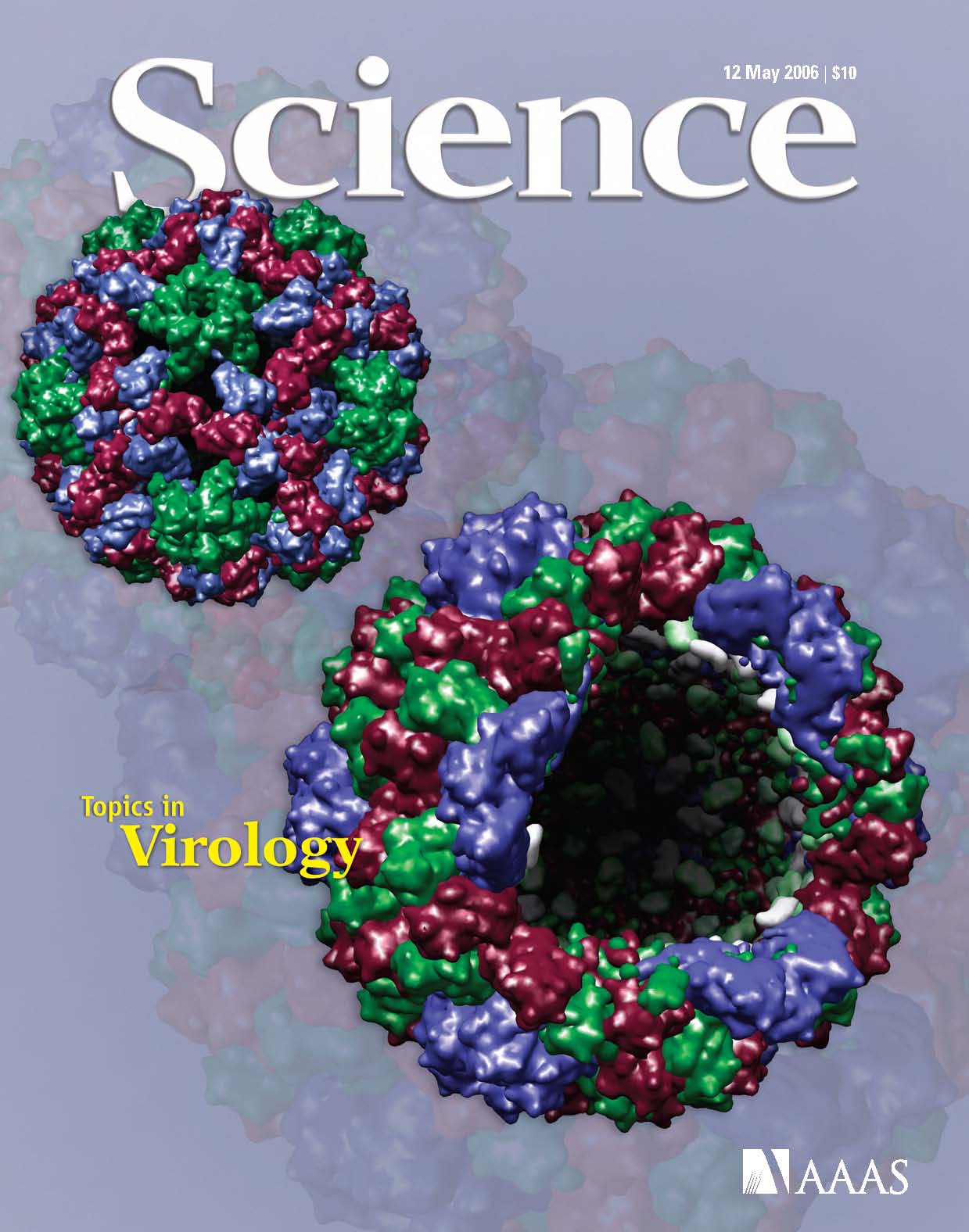
The study“Highly evolvable malaria vectors: the genomes of 16 Anopheles mosquitoes” by D.E. Neafsey et al.”, which will appear on the next issue of SCIENCE magazine, has been developed thanks to a partnership of 72 research centres together with the Centre of Functional Genomics.
The study sampled, for the very first time, genetic data of the sixteen species responsible for transmitting human malaria parasites (that cause an estimated 200 million cases and more than 600 thousand deaths each year), representing a milestone in the understanding of the disease.
Investigating crucial genetic differences among malaria parasites, researchers offer new insights into how these species are related to each other and how the dynamic evolution of their genomes may contribute to their flexibility to adapt to new environments.
To address these questions, the Centre of Funcitonal Genomics of the Univ. of Perugia, led by Prof Prof. Andrea Crisanti, contributed their expertise to examine genes involved in different aspects of mosquito biology including reproductive processes and non-coding RNA. The research has been carried out by Dr. Philippos A. Papathanos, Dr. Christos Louis and Dr. Vicky Dritsou, in collaboration with the collegues of the IMBB (Crete).