Here is a brief excerpt from the article
The emergence of CRISPR-Cas nucleases has indeed revolutionized biomedical research and opened new avenues for human therapeutics. Gene drives, leveraging these nucleases, offer a promising approach for combating mosquito-borne diseases by effectively eliminating vector populations. However, their potential to spread over large areas presents significant regulatory challenges, necessitating the development of anti-drive strategies for risk mitigation and management.
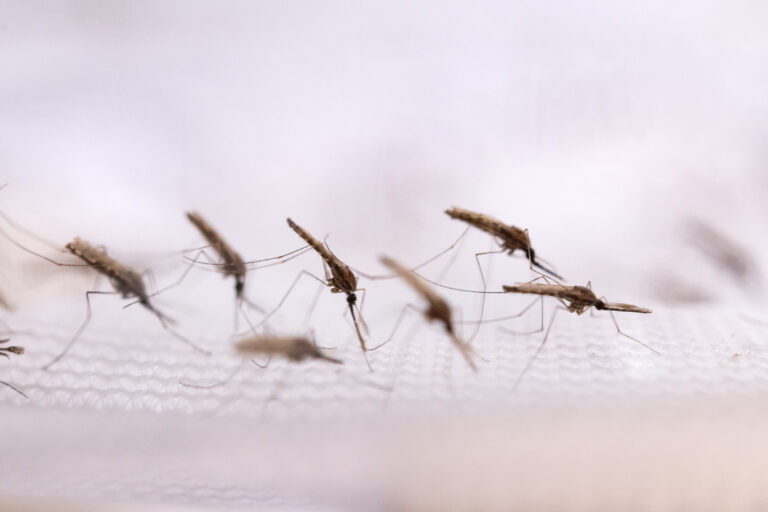
At the Polo GGB research center in Terni, gene drive technology targeting the female fertility gene doublesex has been successfully tested in large cages simulating natural environments. These experiments laid the foundation for exploring the efficacy of gene drives and understanding their ecological impact. However, the potential for unintended consequences and the need to counteract gene drives have spurred efforts to develop anti-drive strategies.
Safe Genes
In this context, Polo GGB has been involved in the ’Safe Genes project’ founded by the Defense Advanced Research Projects Agency (DARPA), conducting experiment that aim to develop and test an anti-drive transgenic line in large cages.
The collaboration between Polo GGB and Imperial College of London resulted in the development of a transgenic mosquito strain expressing the AcrIIA4 protein from Listeria monocytogenes prophage. This strain effectively hampers doublesex-targeting gene drives, providing a crucial tool for mitigating their impact (Taxiarchi et al., 2021). Subsequent experiments conducted in the cutting-edge entomological facility of Polo GGB demonstrated the effectiveness of this anti-drive transgenic line in blocking the spread of gene drives, even under challenging ecological conditions of the large cages.
The publication of these findings in Nature Communications marks a significant milestone in the field, representing the first successful test of anti-drive approaches in large cages. Such studies serve as a bridge between laboratory research and field applications, providing valuable insights into the efficacy of transgenic mosquitoes and uncovering hidden fitness costs in complex ecological settings. These insights are essential for informing decision-makers and authorities, particularly regarding the potential risks and benefits of large-scale field releases.
Overall, the development and testing of anti-drive strategies represent a critical step towards responsible and sustainable implementation of gene drive technology for combating mosquito-borne diseases. By addressing regulatory concerns and ensuring ecological safety, these strategies pave the way for the effective utilization of gene drives as a tool for public health interventions.